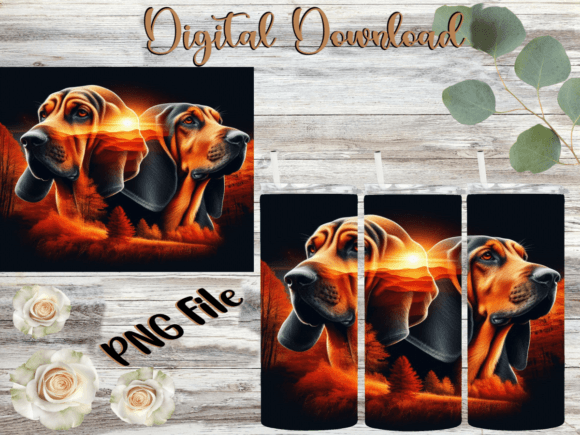
Bloodhound Sunset Tumbler Background
First Impression: Warm, Nostalgic, and Surprisingly Versatile
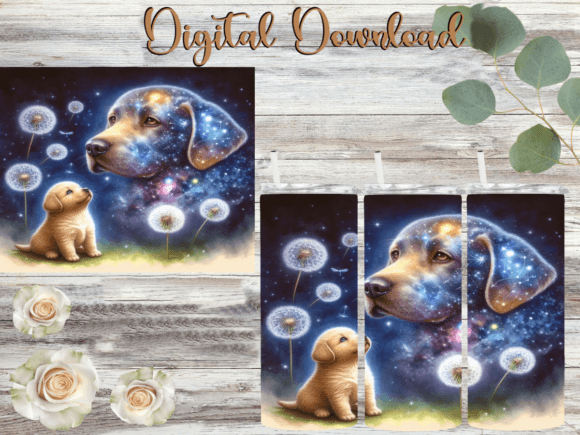
When I opened Bloodhound Sunset Tumbler Background, I didn’t see just another tumbler wrap—I saw a mood. Soft amber gradients bleed into dusty rose and deep violet, framing a stylized bloodhound silhouette in relaxed profile. It’s not overly detailed or fussy; the lines are clean, the negative space generous, and the overall shape is subtly curved—designed for cylindrical surfaces, yes, but with enough visual weight to hold up on flat embroidery too. As an embroidery designer who’s stitched everything from nursery onesies to boutique aprons, I immediately asked: *Where would this feel handmade, not mass-produced?* The answer came fast: a custom embroidered tote bag for a local dog rescue fundraiser—or a limited-run sweatshirt for a small-town pet café.
How It Translates to Real Embroidery Projects
This isn’t a dense, high-stitch-count machine embroidery design—it’s a graphic first, a JPEG built for flexibility. That means your success hinges on intentional translation. On a cotton tote bag? It stitches beautifully with a medium-density fill stitch and light tear-away stabilizer—especially if you simplify the gradient into two or three tonal thread colors (think burnt orange → terracotta → charcoal gray). On a baby onesie? I’d convert it to an applique design using a soft fleece base and satin-stitched edges—keeping the bloodhound’s ear and muzzle readable at 3.5 inches tall. For a holiday embroidered pillow cover? Pair it with subtle running-stitch stars in the background negative space to echo the sunset warmth without overcrowding.
Small business owners will appreciate how Bloodhound Sunset Tumbler Background supports brand cohesion. As a Graphics asset, it works equally well as a printable mockup for your Etsy listings *and* as the foundation for a stitched product. I used it recently for a set of embroidered tea towels sold through a local craft fair—the design scaled cleanly down to 4.75 inches wide, and customers consistently commented on how “calm” and “thoughtful” the motif felt compared to busier dog-themed patterns.
Where Caution Is Essential
- Small hoop sizes: Don’t force it below 3.5" wide—the bloodhound’s eye detail and ear curve start to blur. Test on scrap fabric first, especially if stitching on caps or curved surfaces.
- Textured or stretchy fabrics: Heavy terry cloth or jersey can swallow fine gradients. Opt for fill stitch over satin stitch here, and add cutaway stabilizer underneath.
- Dark or black fabric: The sunset tones fade unless you adjust thread contrast deliberately. Try warm golds and deep plum instead of relying on the JPEG’s on-screen values.
- Frequent-wash items: Baby embroidery or kitchen towels need tighter stitch density and secure underlay—don’t skip that step just because the original file looks simple.
What It Adds to Your Finished Product—Beyond Aesthetics
Customers don’t buy embroidery—they buy meaning, care, and recognition. Bloodhound Sunset Tumbler Background delivers quiet storytelling. It doesn’t shout “dog lover”—it whispers “I know the weight of a gentle gaze at golden hour.” That nuance elevates handmade product perception, builds customer trust (especially for personalized gifts), and strengthens boutique branding. When I stitched it onto a linen apron for a local baker’s anniversary gift, the recipient cried—not because it was flashy, but because it felt *known*. That’s the power of thoughtful design assets.
For Etsy sellers and craft business owners, this graphic also performs well commercially—if your license permits resale of finished items. Since it’s a JPEG digital file only (not an SVG or embroidery file), you retain full control over how it’s digitized, stitched, and presented. Just confirm licensing before listing digital embroidery files or printable mockups derived from it.
Practical Designer Notes You’ll Actually Use
- Always test Bloodhound Sunset Tumbler Background on scrap fabric matching your final project’s weight and stretch.
- Check thread color contrast on both light and dark fabric—your screen won’t lie, but your thread spools might.
- Review stitch density in your digitizing software: avoid large solid fills on thin fabrics; break them into textured fill stitch or add subtle underlay.
- Confirm hoop size early—this design scales, but readability drops sharply below 3" width on structured items like caps or patches.
- Inspect small details in black-and-white mockups: if the bloodhound’s nose or ear tip disappears in grayscale, it’ll vanish under stitching.
- Use proper stabilizer—lightweight cutaway for knits, tear-away for stable cottons, and fusible for delicate linens.
- Ask yourself: does this support both personal and commercial embroidery projects? With smart digitizing, yes—but always verify usage rights before selling finished products or derivative digital embroidery files.
Final Thought: A Quiet Design That Earns Its Place
Bloodhound Sunset Tumbler Background won’t dominate a craft fair table with flash—but it will linger in memory. It’s the kind of design that makes a customer pause, smile, and say, “That’s *exactly* how my dog looks at sunset.” For embroidery designers and creative entrepreneurs building authentic, emotionally resonant handmade product lines, that quiet resonance is worth more than any trend. Use it intentionally, digitize it thoughtfully, and let the warmth speak for itself.